
Getting Your Ducks in a Row: The Ultimate Guide to Starting Your Flock
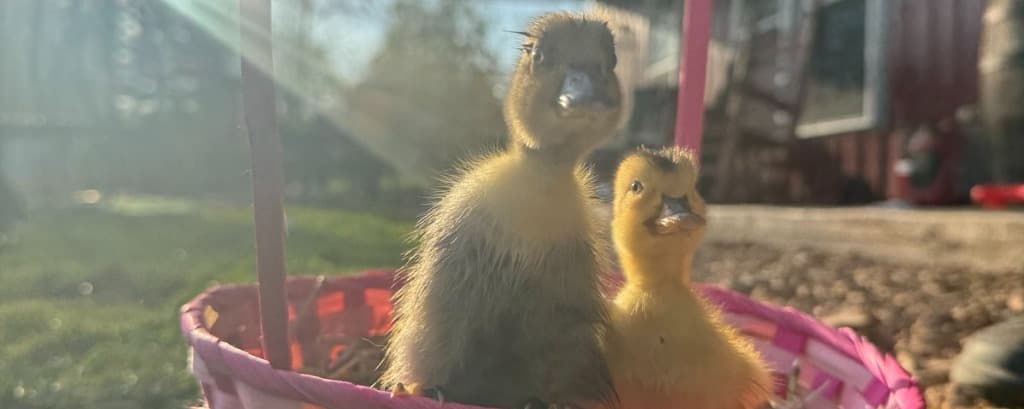
So, you’ve decided to take the plunge into the wonderful, messy, and rewarding world of duck keeping. Whether you’re looking for backyard companions, natural pest control, or a steady supply of rich eggs, bringing ducks into your life requires more than just a pond and some cracked corn.
This guide covers everything you need to know about building your first flock from the ground up.
1. The Numbers Game: How Many and What Sex?
Ducks are intensely social creatures. A solo duck is a stressed duck.
- The Minimum: Never fewer than two ducks. Three to five is the sweet spot for a stable starter flock.
- Lifespan: Domestic ducks typically live 8–12 years (sometimes up to 15 with good care).
- Drake-to-Hen Ratio: Ideal is 1 drake for every 4–6 hens. A 1:1 or 1:2 ratio often leads to over-mating and injury to the hens. An all-male bachelor flock is also possible if no females are present.
2. Sexed vs. Unsexed (Straight Run)
- Sexed: Hatchery has identified the gender (usually 90–95% accurate).
- Unsexed / Straight Run: 50/50 chance. Cheaper, but you need a plan if you end up with too many drakes.
3. The Great Gender Reveal: Drakes vs. Hens
The Auditory Test
The classic loud “QUACK” is almost always a hen. Drakes produce a soft, breathy, raspy sound instead.
The Drake Feather
Most male Mallard-derived breeds develop one or two curled feathers at the top of the tail as they mature. Hens’ tails remain straight.
Size and Plumage
Drakes are often larger with thicker necks. In colored breeds they may develop iridescent green heads.
4. How to Build Your Flock: Age Matters
- Hatching Eggs: Most rewarding but most difficult. Incubation is usually 28 days (35 for Muscovies).
- Raising Ducklings: High-maintenance. Need a brooder, heat, and non-medicated starter feed. Never let them swim unattended until they develop waterproofing.
- Started / Juvenile Ducks: Past the brooder stage (4–8 weeks). Easier for beginners and still young enough to bond.
- Mature Ducks: Skip the baby stage entirely. You know the sex and laying ability immediately.
5. Where to Find Your Ducks
- Commercial hatcheries (Metzer Farms, Meyer Hatchery, etc.)
- Farm supply stores during spring “Chick Days”
- Local farms, Facebook groups, and livestock swaps
- Sanctuaries and rescues (a great way to give a bird a second chance)
Building a flock is a journey of learning your birds’ unique personalities. Once you’ve settled on your numbers and sourced your birds, the real fun—and the real work—begins.