
The Complete Guide to Selecting the Right Duck Breed for Your Homestead
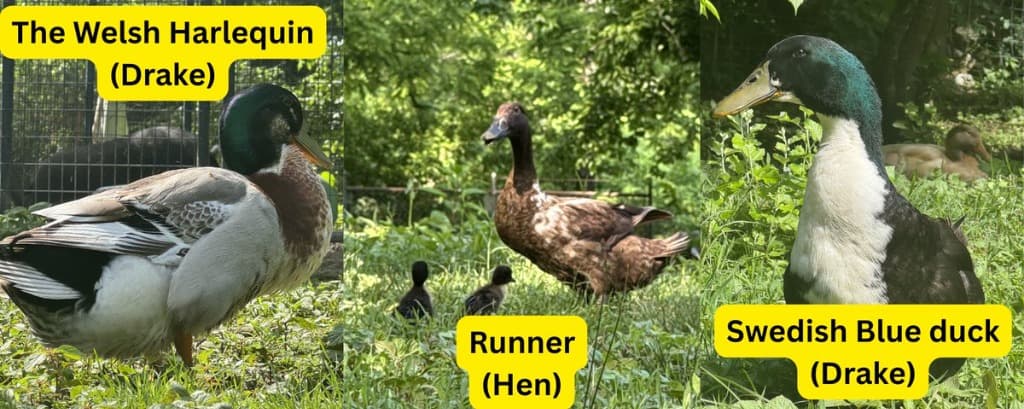
With the sheer variety of duck breeds available today, finding the right starting point for your flock can feel overwhelming. However, the selection process becomes much simpler once you identify your primary goals. By narrowing down what you want from your birds, you can quickly filter through the options to find your ideal match.
Define Your Purpose
The first step in choosing a breed is determining what role the ducks will play on your property. Most keepers fall into one of the following categories:
-
Premium Egg Production: If your main goal is a steady supply of large, nutritious eggs, look for breeds specifically developed for high output. While almost all ducks lay eggs larger than the standard 2-ounce chicken egg, certain specialist breeds are far more prolific than others.
-
Table Birds: For those focused on raising ducks for food, heavy-bodied breeds are the gold standard. White-feathered breeds are particularly popular for meat production because they result in a much cleaner-looking bird once plucked.
-
The Homestead All-Rounder: Many keepers prefer a "dual-purpose" bird. This approach involves hatching a new batch of ducklings annually, keeping the best layers for the flock, and harvesting the surplus drakes.
-
Exhibition and Showing: If you are interested in the competitive world of poultry shows, you will need to select breeds that meet the strict standards of the American Poultry Association (APA) or the American Bantam Association (ABA).
-
Backyard Companions: If you are simply looking for pets, temperament is your most important metric. Some breeds are naturally more docile and calm, making them a joy to have around. However, keep in mind that early socialization is key; almost any duck can become a friendly, trusting pet if you spend enough time bonding with them as ducklings.
The Power of Heritage Breeds
For the "All-Rounder" or the self-sufficient homesteader, Heritage breeds are often the best choice. This isn't just a marketing buzzword; it is a specific designation used by The Livestock Conservancy to identify breeds that are vital to agricultural history and genetic diversity.
For a breed to be officially recognized as a Heritage duck, it must meet several strict criteria:
- Deep Historical Roots: These breeds have a long-standing history in the United States.
- Genetic Integrity: They are true genetic breeds, meaning they "breed true." If you mate two members of a heritage breed, their offspring will have the same predictable characteristics as the parents.
- Purebred Status: They maintain a verified, purebred lineage without recent cross-breeding.
- Conservation Need: These ducks appear on the organization’s Conservation Priority List. By raising them, you are actively helping to prevent the extinction of unique avian genetics.
Why Choose Heritage?
While modern commercial hybrids are often bred for a single purpose—like maximum egg speed or rapid weight gain—Heritage ducks are the "polymaths" of the poultry world. They possess essential survival traits that have been bred out of many industrial birds:
- Hardiness and Adaptability: They are built to thrive in diverse and sometimes harsh environmental conditions, from high heat to extreme cold.
- Exceptional Foragers: Heritage ducks are masters at finding their own food, making them much more efficient for pasture-based systems.
- Longevity: These birds generally live longer, more productive lives than their commercial counterparts.
- Strong Mothering Instincts: Unlike many modern breeds that have lost the urge to sit on eggs, heritage ducks often retain the natural instinct to hatch and raise their own brood.
Final Considerations: Preference vs. Productivity
Once you have narrowed your list down based on utility and heritage status, the remaining features are basically matters of personal preference. Whether you prefer the striking iridescent feathers of a Cayuga, or the upright, quirky waddle of a Runner duck, the "look" of your flock is up to you.
Keep in mind that while breed statistics provide a helpful baseline for egg counts and weight, these are just averages. The specific bloodline of your birds and the quality of their care will play a huge role in how well they perform on your homestead.